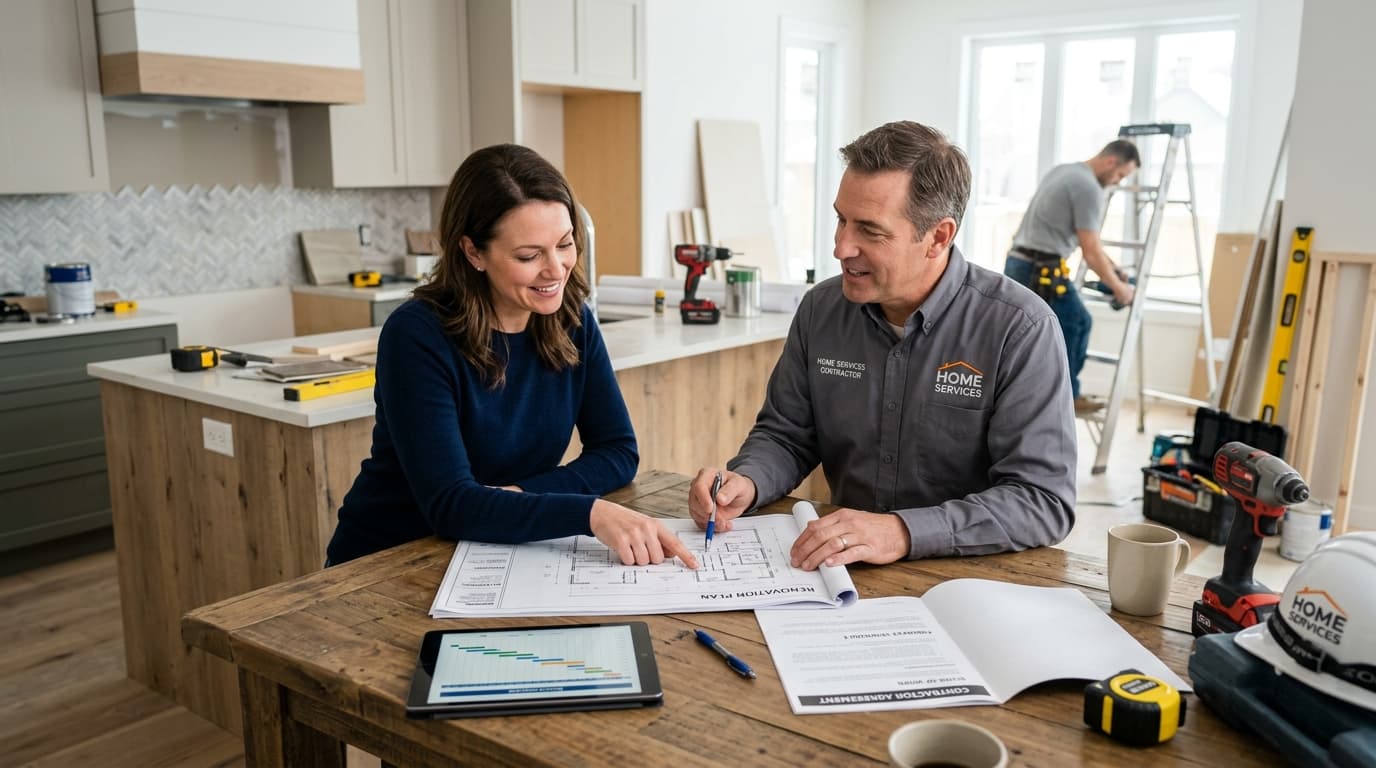
Picture this: You're three weeks into your dream kitchen renovation when your contractor stops showing up. The cabinets are half-installed, there's no running water, and when you finally reach him, he asks for another $5,000 to "finish the job properly." Sound familiar? You're not alone.
Every year, homeowners face contractor nightmares ranging from disappearing acts and corner-cutting to subpar work that costs more to fix than the original project. The good news? Most homeowners can learn how to avoid contractor problems during home renovations when they know what to look for and how to protect themselves from day one.
This guide will show you exactly how to avoid contractor problems during home renovations. We'll cover everything from the initial research phase through project completion. You'll learn the warning signs that separate reliable professionals from problem contractors, plus practical strategies to keep your project on track and your sanity intact.
Understanding Why Contractor Problems Happen
The Root Causes of Contractor Issues
Contractor problems rarely appear out of nowhere. They typically stem from three main sources:
• Poor planning - Rushing into projects without proper research
• Inadequate vetting - Skipping license verification and background checks
• Unclear communication - Verbal agreements and vague expectations
For more detailed guidance, check out our complete guide to finding a reliable contractor.
Learn more in our contractor license verification guide.
When homeowners cut corners during the selection process, they often end up with contractors who overpromise and underdeliver. Understanding how to avoid contractor problems during home renovations starts with recognizing these pitfalls.
A Milwaukee homeowner hired the first contractor who gave her a quote because his price was $3,000 lower than competitors. Three months later, she discovered he wasn't licensed. The plumbing work failed inspection. She spent an additional $8,000 fixing his mistakes. The "savings" cost her more than double the original higher quotes.
Problems also arise from mismatched expectations. A contractor might specialize in basic repairs but take on complex renovations beyond their skill level. Or they might be excellent craftsmen but terrible at project management, leading to delays and communication breakdowns.
The Financial Impact of Contractor Problems
The cost of contractor problems extends far beyond the initial project budget. According to the National Association of Home Builders, homeowners who experience significant contractor issues spend 50% more than their original budget to complete projects properly.
This doesn't include the hidden costs: • Temporary housing during extended delays • Storage fees for displaced belongings • Stress-related health impacts • Lost time from work dealing with problems
A Wisconsin deck replacement project illustrates why learning how to avoid contractor problems during home renovations matters financially. The contractor quoted $12,000 and promised completion in two weeks. Four months later, with winter approaching, the homeowner had paid $15,000 for a half-finished deck that failed city inspection. He ultimately spent another $9,000 hiring a new contractor to tear down and rebuild the entire structure properly.
Phase 1: Pre-Project Protection Strategies
Research and Vetting: Your First Line of Defense
Mastering how to avoid contractor problems during home renovations starts with thorough research before you ever make contact. This phase determines whether you'll work with a professional who delivers quality results or someone who creates expensive headaches.
Start by gathering at least five potential contractors for any major project. Use multiple sources:
• Online directories and review sites
• Local hardware store recommendations
• Neighbors who've completed similar work
• Professional association member lists
Don't rely solely on online reviews, which can be manipulated. But don't ignore them either. Create a simple spreadsheet to track each contractor's credentials. Include their license number, insurance details, Better Business Bureau rating, and years in business. Contractors with fewer than three years in business carry higher risk—not because they're necessarily bad, but because they haven't weathered economic downturns or built strong supplier relationships.
The License and Insurance Verification Process
Never skip license verification, even if a contractor seems reputable. Contractor license verification is your most important protection against fraud and substandard work. Licensed contractors have met minimum competency requirements and carry accountability that unlicensed workers lack. This critical step in learning how to avoid contractor problems during home renovations can save thousands of dollars.
Essential verification steps:
- Call your state licensing board directly - Don't just check online databases, which may not reflect recent violations
- Ask specific questions - Is the license current? Are there pending complaints? Has the contractor faced disciplinary action?
- Verify insurance independently - Request certificates of both general liability and workers' compensation insurance directly from the contractor's insurance company
- Check coverage amounts - Ensure coverage limits are adequate for your project size
This single factor predicts project success more reliably than years of experience or online ratings. We now require all A legitimate contractor will provide this information readily. Be wary of anyone who seems reluctant or claims their insurance is "being updated."
Warning Signs During Initial Consultations
The consultation phase reveals crucial information about how contractors operate. Professional contractors arrive on time, ask detailed questions about your project, and provide written estimates with specific material and labor breakdowns. They should also discuss potential challenges and set realistic timeline expectations. Recognizing these patterns is essential for homeowners learning how to avoid contractor problems during home renovations.
Red flags during consultations include:
• Arriving significantly late without calling • Providing only verbal estimates • Requesting large upfront payments (over 10%) • Pressuring you to sign contracts immediately • Door-to-door solicitation • Quotes significantly lower than all others • No local business address or phone number
Quality contractors understand that homeowners need time to compare options and make informed decisions. 5 times more customer complaints than those who allow reasonable decision time.
Pay attention to how contractors communicate. Do they return calls promptly? Do they answer questions clearly, or do they seem evasive about licensing, insurance, or previous work examples? Professional contractors welcome scrutiny because they have nothing to hide.
Phase 2: Contract Development and Negotiation
Essential Contract Elements
A comprehensive contract is your primary tool for avoiding contractor problems during home renovations. It should function as a roadmap that prevents misunderstandings and provides legal protection if issues arise. Never proceed with verbal agreements, regardless of how trustworthy a contractor seems.
Your contract must include:
• Detailed project specifications - Specific materials, brands, colors, and installation methods • Clear timelines - Start dates, major milestone deadlines, and completion dates • Payment schedule - Never more than 10% upfront for reputable contractors • Change order procedures - How modifications will be handled and approved • Warranty information - What's covered and for how long • Cleanup responsibilities - Who handles debris removal and site restoration
Avoid vague language like "standard materials" or "builder grade" that invites disputes later. If you're installing hardwood flooring, specify the exact species, grade, finish, and installation pattern. This specificity is crucial for homeowners serious about how to avoid contractor problems during home renovations.
Timeline provisions should include reasonable contingencies for weather delays or permit issues. But establish clear communication requirements if delays occur. A professional contractor will provide regular updates and revised timelines when necessary.
Payment Schedules and Protection
Payment schedules deserve special attention when learning how to avoid contractor problems during home renovations. Never pay large sums upfront—reputable contractors have established credit lines with suppliers and don't need homeowner financing.
Recommended payment structure:
• 10% to start work
• 25% at rough completion
• 25% at substantial completion
• 40% upon satisfactory project completion and cleanup
Some contractors use change orders to inflate profits, claiming unforeseen issues that should have been identified during initial assessment. Protect yourself by requiring detailed explanations and getting second opinions for major changes that significantly impact cost or timeline.
Change Order Procedures
Even well-planned projects encounter unexpected situations requiring changes. Establishing clear change order procedures prevents scope creep and budget overruns. Your contract should specify that all changes must be documented in writing with cost and timeline impacts clearly stated before work proceeds.
For example, if your kitchen renovation uncovers electrical issues requiring updates, the contractor should provide a written change order. This should detail the additional work, materials costs, labor hours, and revised completion date. You should have reasonable time to approve or reject changes. The contractor shouldn't proceed without written authorization. This process is fundamental to how to avoid contractor problems during home renovations.
Lien Waiver and Payment Protection
Understanding lien laws in your state protects your property from claims by unpaid subcontractors or suppliers. Even if you pay your general contractor in full, subcontractors can place liens on your property if they don't receive payment.
Protection strategies: • Require lien waivers from all subcontractors and major suppliers as payments are made • Consider joint checks for large material purchases • Use escrow services for large projects (though this adds cost) • Verify that your contractor carries adequate bonding
Note that lien laws vary significantly by state. Consult with a local attorney or your state's contractor licensing board for specific requirements in your area.
Phase 3: Project Monitoring and Quality Control
Establishing Communication Protocols
Clear communication prevents most contractor problems during home renovations. Establish regular check-in schedules:
• Daily for complex projects • Weekly for simpler renovations • Immediately for safety concerns
Decide how you'll communicate: phone calls, text messages, email, or project management apps. Consistency matters more than the specific method. Document all communications, especially decisions that affect cost, timeline, or project scope. Follow up phone conversations with email summaries: "Per our conversation today, we agreed to change the tile selection to..." This creates a paper trail that prevents "he said, she said" disputes later.
Set boundaries around communication timing. While you want to stay informed, calling contractors multiple times daily disrupts their work and creates tension. Agree on reasonable response timeframes—within 24 hours for non-emergency questions.
Quality Checkpoints and Inspections
Establish quality checkpoints at major project phases rather than waiting until completion to identify problems. This proactive approach is key to how to avoid contractor problems during home renovations.
For a bathroom renovation, checkpoints might include: • Rough plumbing and electrical • Waterproofing installation • Tile installation • Fixture installation • Final cleanup and touch-ups
Address issues immediately rather than letting them compound.
Learn basic quality standards for your project type. Evaluating home improvement work quality helps you identify problems before they become expensive fixes. You don't need expert knowledge. But understanding basics like proper tile spacing, paint coverage, or electrical code requirements helps you ask informed questions.
Take photos at each checkpoint, both for your records and to document any concerns. Good contractors welcome documentation because it protects everyone involved. If a contractor seems defensive about photos or quality discussions, consider it a warning sign.
Managing Timeline and Budget Adherence
Track project progress against the original timeline weekly. Small delays often cascade into major problems if not addressed promptly. When delays occur, require updated timelines with specific recovery plans. This vigilance is essential for homeowners learning how to avoid contractor problems during home renovations.
Professional contractors will: • Provide realistic revised schedules • Explain steps they're taking to minimize further delays • Communicate proactively about potential issues
Monitor budget adherence just as carefully. Keep a running total of approved changes and their cost impact. If change orders are pushing you significantly over budget, pause to reassess the project scope. Sometimes it's better to complete work in phases rather than overextending financially.
Be wary of contractors who consistently underestimate time or costs. This pattern often indicates poor planning skills or intentional low-balling to win contracts.
Phase 4: Handling Problems When They Arise
Early Warning Signs and Quick Interventions
Recognizing early warning signs helps you address contractor problems before they become disasters. Quick intervention is crucial when applying strategies for how to avoid contractor problems during home renovations.
Common red flags include: • Missed deadlines without communication • Requests for additional payments ahead of schedule • Quality that doesn't match previous work examples • Crew members who seem unfamiliar with your project • Materials that don't match contract specifications • Work that appears rushed or sloppy
Changes in crew composition can signal problems. If your regular crew suddenly disappears and is replaced by workers who seem unfamiliar with your project, investigate immediately. This often indicates cash flow problems or the contractor juggling too many projects simultaneously.
Address concerns promptly and directly. Schedule face-to-face meetings rather than trying to resolve complex issues via text or phone. Document the discussion and any agreements reached. If problems persist, escalate to written notices that reference your contract terms.
Documentation and Evidence Gathering
When contractor problems arise, thorough documentation becomes crucial. This evidence protects you if legal action becomes necessary and is a critical component of how to avoid contractor problems during home renovations from escalating.
Essential documentation includes: • Photographs of all work quality issues • Copies of all communications (emails, texts, letters) • Detailed records of payments made • Timeline of events with dates and witnesses • Written assessments from other contractors if needed
Create a chronological timeline including dates, communications, payments, and work performed. Note any witnesses to conversations or work quality issues.
Save all project-related emails, texts, and voicemails. Even seemingly minor communications can become important evidence. Store digital copies in multiple locations and keep hard copies of critical documents like contracts, change orders, and payment records.
Escalation Procedures and Legal Protections
If direct communication fails to resolve problems, follow formal escalation procedures. Understanding these steps is vital for homeowners who need to know how to avoid contractor problems during home renovations from becoming legal battles.
Escalation process:
- Written notice - Send a formal letter detailing specific contract violations. Include: exact contract clauses violated, specific examples with dates, reasonable deadline for correction (typically 7-14 days), consequences if not resolved
- Certified mail - Send notices via certified mail to create delivery proof
- State licensing board - File a complaint with your state contractor licensing board. Many offer mediation services
- Insurance company - Involve your homeowner's insurance if work creates safety hazards
- Legal consultation - Consider attorney advice for significant financial losses
Many licensing boards offer mediation services that can resolve disputes without litigation costs. File complaints even if mediation doesn't succeed—patterns of complaints help protect future homeowners.
Phase 5: Project Completion and Final Protection
Final Inspections and Punch Lists
Never consider a project complete until you've conducted thorough final inspections. Create detailed punch lists of any remaining work or quality issues. Professional contractors expect punch lists and will address items promptly to earn final payment and maintain their reputation. This final vigilance demonstrates your commitment to how to avoid contractor problems during home renovations through completion.
Final inspection checklist: • Schedule during daylight hours for clear visibility • Test all systems, fixtures, and moving parts • Check that cleanup is complete • Verify property is restored to pre-construction condition • Document any remaining issues with photos
Don't rush final inspections due to pressure from contractors or excitement about project completion. Take time to identify any issues while the contractor is still engaged and motivated to address them. Problems become much harder to resolve after final payment.
Warranty Documentation and Follow-up
Ensure you receive comprehensive warranty documentation covering both materials and workmanship. Understanding warranty terms is an often-overlooked aspect of how to avoid contractor problems during home renovations. Know what's covered, for how long, and what actions might void warranty protection. Keep warranty documents with your home maintenance records for future reference.
Test warranty responsiveness by reporting any minor issues that arise in the first few weeks after completion. A contractor's response to warranty calls reveals their commitment to customer satisfaction and helps you gauge their reliability for future work.
Payment Finalization and Lien Protection
Release final payment only after confirming all work meets contract specifications and you've received all required documentation.
Before final payment, verify: • All work meets contract specifications • You've received warranties and operating manuals • All permits have been properly closed • Work has passed required inspections • You've received final lien waivers from all parties
Request final lien waivers from all subcontractors and suppliers before releasing final payment. These documents protect your property from future lien claims and provide peace of mind that all parties have been compensated properly.
Building Long-term Contractor Relationships
Maintaining Professional Networks
Successful homeowners build networks of reliable contractors across different trades. When you find quality professionals, maintain those relationships even between projects. Send occasional referrals, provide positive reviews, and keep contact information current. These relationships become invaluable resources for how to avoid contractor problems during home renovations in the future.
Quality contractors often know other quality professionals. A reliable electrician can recommend trustworthy plumbers. Excellent painters often know skilled carpenters. These professional networks provide vetted options for future projects.
Consider seasonal maintenance relationships with contractors who perform well on major projects. Having established relationships with HVAC technicians, roofers, and general handymen provides quick access to help when urgent issues arise.
Learning from Each Project Experience
Every contractor interaction teaches valuable lessons about how to avoid contractor problems during home renovations. Keep notes about what worked well and what you'd do differently next time. These insights improve your contractor selection and management skills over time.
Share experiences with neighbors and friends, but focus on specific, factual information rather than emotional reactions. Detailed reviews help other homeowners make informed decisions and encourage contractors to maintain high standards.
Consider joining local homeowner groups or online communities where members share contractor recommendations and experiences. These networks provide valuable insights about local contractors' reputations and work quality. Homeplexi's platform connects homeowners with pre-vetted contractors, reducing the risk of problems and providing additional protection through our quality monitoring systems.
Related Articles:
- How to Find a Reliable Contractor: Your Complete Guide to Avoiding Scams and Hiring with Confidence
- The Complete Homeowner's Guide to Contractor License Verification: Protect Your Investment and Peace of Mind
- How to Evaluate Home Improvement Work Quality: A Homeowner's Guide to Realistic Standards and Red Flags
- Essential Questions to Ask Contractors Before Hiring: Your Complete Vetting Guide
Need Professional Help?
Homeplexi connects you with vetted contractors, helps you compare quotes, and manages your entire home improvement project in one place.
Get Started Free →The Homeplexi editorial team consists of licensed contractors, home inspectors, and consumer protection experts who provide research-backed guidance for homeowners. All content is fact-checked and cited from authoritative industry sources.
Important Safety Disclaimer
Please read this carefully before following any advice:
- Always prioritize safety: Wear appropriate protective equipment (safety glasses, gloves, etc.) when performing any home maintenance or repair work.
- Know your limits: If you're not confident in your ability to safely complete a task, hire a licensed professional. This is especially important for electrical, gas, plumbing, and structural work.
- Verify all information: The guidance provided here is based on community discussions and general knowledge. Always double-check any advice with multiple reliable sources or a licensed professional.
- Follow local codes: Building codes, electrical codes, and plumbing codes vary by location. Ensure any work complies with your local regulations and obtain necessary permits.
- Turn off power/water/gas: Before working on electrical, plumbing, or gas systems, always shut off the relevant utilities at the source.
- For emergencies: If you have a gas leak, electrical fire, major water leak, or other emergency, evacuate immediately and call emergency services (911) and your utility company.
Liability: Homeplexi provides information for educational purposes only. We are not responsible for any injury, property damage, or losses resulting from following any guidance or advice provided through this platform. Use all information at your own risk.
When in doubt, always consult a licensed, insured professional contractor. Homeplexi can help you find qualified professionals in your area.
Found this helpful? Share with others:
Related Articles
Contractor Payment Schedule: The 2024 Guide to Protecting Your Money (With Red Flags to Avoid)
Homeowners confused about standard payment terms vs contractors asking for suspicious payment structures
Contractor Insurance Verification: The Complete Guide to Protecting Your Home and Wallet
Homeowners unsure what insurance documents to request and verify before hiring a contractor
Free Contractor Platforms: Find Quality Pros Without Paying Lead Fees or Dealing With Sales Pressure
Homeowners want to find contractors without paying lead fees or dealing with pushy sales tactics from paid services