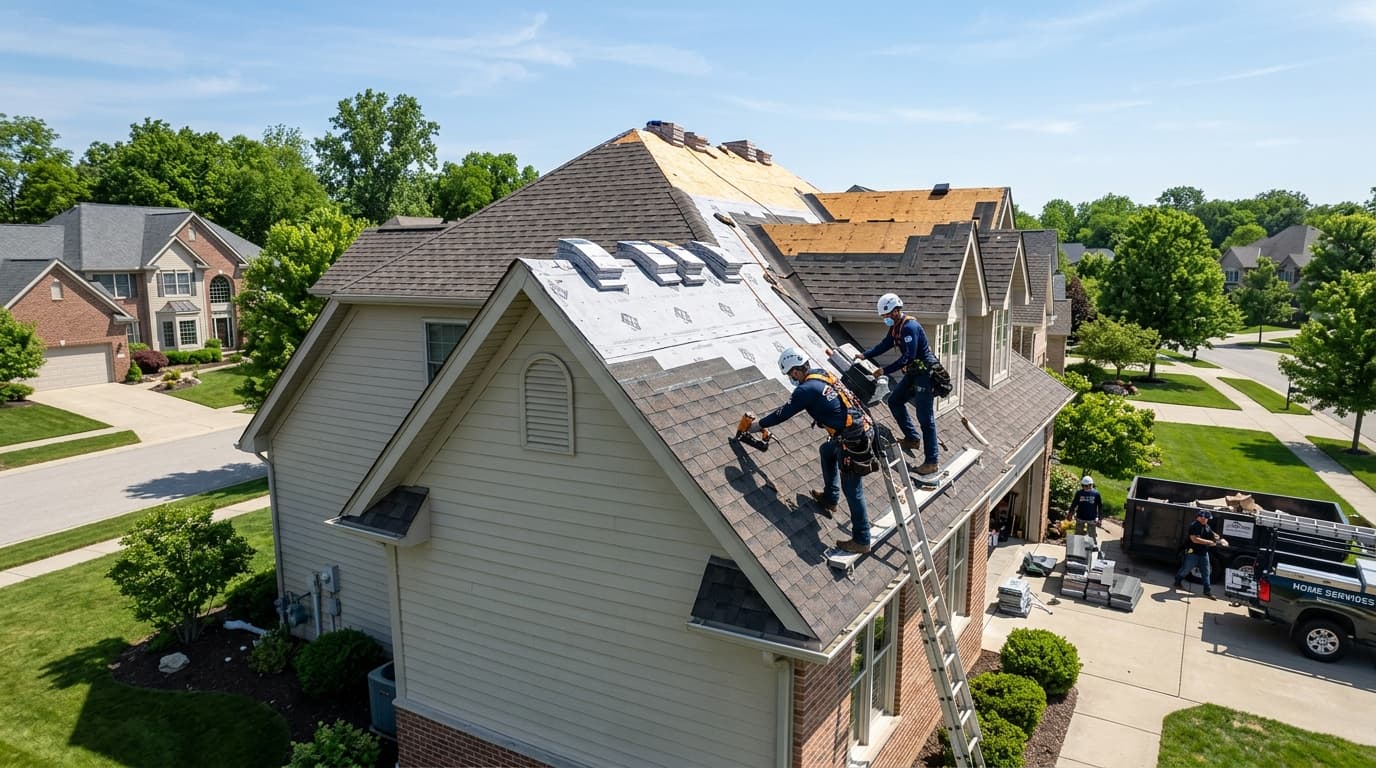
You just opened your first roofing quote and your heart sank. $18,000? $25,000? Maybe even $35,000? That sick feeling in your stomach isn't unusual—it's called sticker shock, and nearly every homeowner experiences it when facing roof replacement. You're probably wondering if these contractors are trying to rip you off or if roof replacement really costs this much. This roof replacement cost guide will help you understand exactly what you're paying for.
Here's the truth: roof replacement is one of the most expensive home improvements you'll ever make. But it's also one of the most important. A new roof protects everything else you own, and understanding what drives these costs will help you make smart decisions and avoid overpaying.
This comprehensive guide breaks down every factor that affects your final bill. You'll learn what's reasonable, what's excessive, and how to spot red flags in contractor quotes. By the end, you'll walk into negotiations armed with knowledge instead of fear.
Understanding the True Scope of Roof Replacement Costs
The National Average (And Why It Might Not Apply to You)
Most websites throw around national averages like confetti at a wedding. They'll tell you roof replacement costs between $8,000 and $20,000. While technically accurate, this range is so broad it's nearly useless for planning your specific project.
Here's what those numbers actually mean: a basic asphalt shingle roof on a small ranch house in rural Alabama might cost $8,000. Meanwhile, a premium architectural shingle roof on a large colonial in San Francisco could easily hit $40,000 or more. Same project, wildly different costs.
The real factors that matter for your roof replacement cost calculations are local labor rates, material availability, your home's complexity, and the quality level you choose. A contractor in Denver charges different rates than one in Jacksonville, and your steep Victorian requires more skill than a simple ranch. ### Breaking Down the Cost Components
Think of roof replacement like building a sandwich. The bread (materials) might cost $3, but by the time you add quality ingredients and pay someone skilled to make it perfectly, you're looking at a $12 gourmet sandwich. Roofing works the same way.
Materials typically account for 40-50% of total costs. This includes shingles, underlayment, flashing, ventilation, fasteners, and disposal fees. A basic asphalt shingle might cost $1-2 per square foot, while premium materials can reach $5-8 per square foot. According to the National Roofing Contractors Association, material costs have increased 15-20% over the past three years due to supply chain disruptions and raw material shortages.
Labor makes up the other 50-60%. This covers removal of old roofing, installation, cleanup, permits, and the contractor's overhead and profit. Quality roofers charge more because they carry proper insurance, follow building codes, and stand behind their work. Our data shows homeowners who choose the lowest bidder are 3x more likely to need repairs within the first five years.
Regional Cost Variations That Matter
Your zip code dramatically impacts your roof replacement costs. Labor rates in major metropolitan areas can be 50-100% higher than rural regions. Material costs also vary based on shipping distances and local demand.
High-cost regions (typically $12-20+ per square foot installed):
- San Francisco Bay Area
- New York City metro
- Boston
- Seattle
- Washington DC
Moderate-cost regions (typically $8-15 per square foot installed):
- Atlanta
- Denver
- Phoenix
- Dallas
- Chicago
Lower-cost regions (typically $6-12 per square foot installed):
- Rural areas in most states
- Smaller cities in the South and Midwest
- Areas with strong contractor competition
Material Costs: Choosing What Goes Over Your Head
Asphalt Shingles: The Popular Choice
Asphalt shingles dominate American roofs for good reason—they balance cost, durability, and appearance effectively. But not all asphalt shingles are created equal, and understanding the differences prevents costly mistakes when planning your roof replacement cost budget.
3-tab shingles represent the economy option at $1.50-3.00 per square foot installed. They're thin, flat, and uniform in appearance. While budget-friendly, they typically last only 15-20 years and offer limited wind resistance. Think of them as the basic economy car of roofing—they'll get the job done, but don't expect luxury features.
Architectural shingles cost $3.00-5.50 per square foot installed but offer significantly better value. They're thicker, more durable, and create attractive shadow lines that mimic wood shake or slate. Most carry 25-30 year warranties and better wind ratings. For most homeowners, architectural shingles hit the sweet spot between cost and performance. Learn more about choosing the right shingle type for your climate.
Premium designer shingles range from $4.50-8.00 per square foot installed. These high-end options offer superior durability, unique colors, and distinctive appearances. Some mimic expensive materials like slate or cedar shake so convincingly that neighbors won't know the difference.
Metal Roofing: The Long-Term Investment
Metal roofing costs more upfront—typically $8-16 per square foot installed—but can last 40-70 years with minimal maintenance. For homeowners planning to stay long-term, metal roofing often provides better lifetime value than asphalt shingles.
Steel roofing offers the most affordable metal option, though it requires proper coatings to prevent rust. Aluminum costs more but never rusts, making it ideal for coastal areas. Copper represents the premium choice, developing a beautiful patina over time while lasting generations.
The energy savings from metal roofing can be substantial. Reflective metal roofs can reduce cooling costs by 10-25% in hot climates, helping offset the higher initial investment. Many utility companies offer rebates for energy-efficient metal roofing systems. The Department of Energy's Cool Roof Calculator can help estimate your potential savings.
Tile and Slate: Premium Options with Premium Prices
Clay tile and natural slate represent the luxury end of roofing materials. Clay tile typically costs $8-15 per square foot installed, while natural slate can reach $15-30 per square foot. Both materials can last 50-100+ years when properly maintained.
However, these materials require specialized installation skills and structural considerations. Clay tile and slate are much heavier than asphalt shingles, potentially requiring roof structure reinforcement. Not all contractors have experience with these premium materials, so finding qualified installers is crucial. Through A slate roof installed today might still be protecting your home when your great-grandchildren inherit it.
Labor Costs and What Drives Them Higher
The Skilled Trades Premium
Roofing is dangerous, physically demanding work that requires genuine skill. Quality roofers command higher wages because they deliver superior results while maintaining safety standards. Understanding what drives labor costs helps you appreciate why the cheapest bid isn't always the best value when calculating total roof replacement cost.
Experience matters tremendously in roofing. A crew that's installed hundreds of roofs works faster and makes fewer mistakes than inexperienced workers. They know how to handle unexpected issues, work safely in challenging conditions, and deliver installations that last decades.
Insurance and licensing costs are significant for legitimate contractors. Workers' compensation insurance for roofers is expensive because of the injury risk. General liability insurance protects you if something goes wrong. Contractors who skip insurance might offer lower bids, but they're transferring risk to you.
Complexity Factors That Increase Labor Costs
Your roof's design significantly impacts labor costs. Simple gable roofs with few penetrations install quickly and efficiently. Complex roofs with multiple angles, dormers, skylights, and chimneys require more time, skill, and materials.
Steep roofs (over 6/12 pitch) require additional safety equipment and slower work pace. Contractors might charge 15-25% more for steep roof installations because of the increased difficulty and safety requirements.
Multiple story homes also increase costs. Moving materials to higher elevations takes more time and effort. Some contractors charge extra for homes over two stories because of equipment and safety requirements.
Roof accessibility affects pricing too. Homes surrounded by landscaping, tight lot lines, or limited parking create logistical challenges. Contractors need to factor in additional time for material handling and protection of surrounding property.
Seasonal Demand and Pricing
Roofing demand fluctuates dramatically throughout the year, affecting both availability and pricing. Understanding these patterns helps you time your project for better value and faster completion.
Peak season (late spring through early fall) brings highest demand and pricing. Good contractors stay booked months in advance during peak season. Storm damage creates additional demand spikes that can drive prices even higher temporarily.
Off-season (late fall through early spring) often provides better pricing and availability. Contractors appreciate steady work during slower periods and may offer discounts to keep crews busy. However, weather can delay projects and some contractors reduce crews during off-season. ## Hidden Costs That Catch Homeowners Off Guard
Structural Repairs and Upgrades
Many homeowners assume roof replacement means simply removing old shingles and installing new ones. Unfortunately, removing old roofing often reveals hidden problems that require additional investment beyond the initial roof replacement cost estimate.
Decking replacement is the most common surprise cost. Roof decking (the plywood or OSB boards under your shingles) can rot, warp, or deteriorate over time. Contractors typically can't assess decking condition until old roofing is removed. Decking replacement typically costs $3-5 per square foot, and extensive damage can add thousands to your project.
Structural repairs might be necessary if rafters, trusses, or other framing components show damage. These repairs require carpentry skills beyond typical roofing work and can significantly increase costs. However, addressing structural issues is crucial for safety and long-term performance.
Code compliance upgrades sometimes surprise homeowners. Building codes evolve over time, and roof replacement might trigger requirements for additional ventilation, upgraded flashing details, or other improvements. While these add cost, they also improve your roof's performance and longevity.
Permit and Inspection Fees
Most jurisdictions require permits for roof replacement, though costs and requirements vary widely. Permit fees typically range from $100-500, but the inspection process can reveal issues that require correction.
Failed inspections can delay your project and increase costs. Common inspection issues include improper ventilation, inadequate flashing, or code violations. Addressing these issues is necessary but adds time and expense to your project.
HOA approvals might be required in some neighborhoods. Homeowners associations often have architectural guidelines that limit material choices or require pre-approval. Factor in additional time for HOA review, and be prepared for potential material restrictions that could affect costs. Check out our guide on navigating HOA requirements for home improvements.
Disposal and Environmental Fees
Removing old roofing materials creates substantial waste that must be disposed of properly. A typical roof replacement generates 2-5 tons of waste, and disposal costs have increased significantly in recent years.
Dumpster rental typically costs $300-800 depending on size and location. Some contractors include disposal costs in their bids, while others charge separately. Clarify what's included to avoid surprises.
Hazardous material disposal might be required for older homes. Asbestos-containing materials require special handling and disposal, potentially adding significant costs. Lead-based paint on metal components might also require special procedures.
How to Evaluate and Compare Contractor Quotes
Red Flags in Roofing Quotes
Learning to spot problematic quotes protects you from contractors who cut corners or overcharge for services. For more guidance on contractor selection, read our guide on how to find a reliable contractor. Several warning signs should make you pause and ask questions about the true roof replacement cost.
Extremely low bids often indicate corners being cut somewhere. Contractors who bid significantly below others might be using inferior materials, skipping necessary steps, or lacking proper insurance. Remember, quality roofing requires quality materials and skilled labor—both cost money.
Door-to-door solicitation should raise immediate suspicions. Legitimate roofing contractors stay busy through referrals and don't need to knock on doors. Storm chasers often use high-pressure tactics and disappear after collecting payment.
Requests for full payment upfront violate standard industry practice. Reputable contractors typically request small deposits to order materials, with remaining payment due upon completion. Large upfront payments create risk with little benefit to you.
What Good Quotes Include
Professional roofing quotes provide detailed breakdowns that help you understand exactly what you're purchasing. Quality quotes demonstrate the contractor's expertise and attention to detail.
Material specifications should be clearly listed with brand names, model numbers, and quantities. Generic descriptions like "premium shingles" provide insufficient information for comparison. Good contractors specify exact products they'll install.
Labor descriptions should outline the scope of work including removal, installation, cleanup, and disposal. Quality quotes also specify warranty terms for both materials and workmanship.
Timeline estimates help you plan for the disruption and understand project expectations. Realistic contractors provide weather-dependent timelines and explain factors that might cause delays.
Questions to Ask Every Contractor
The right questions reveal contractor competence. For a comprehensive list of essential questions, see our guide on questions to ask contractors before hiring and help you make informed decisions about your roof replacement cost investment. Don't hesitate to ask detailed questions—good contractors welcome them.
"What's included in your warranty, and how long does it last?" Material warranties come from manufacturers, but workmanship warranties reflect the contractor's confidence in their work. Quality contractors offer 5-10 year workmanship warranties and explain exactly what's covered.
"How do you handle unexpected issues like damaged decking?" Experienced contractors have procedures for addressing hidden problems and can provide rough estimates for common additional work. Vague answers suggest inexperience or potential for disputes later.
"Can you provide references from recent customers?" Quality contractors proudly share references and might even arrange for you to see recent projects. Contractors who hesitate or make excuses about references should be avoided. ## Financing Your Roof Replacement
Traditional Financing Options
Roof replacement represents a major expense that many homeowners can't pay from savings alone. Understanding financing options helps you move forward with necessary work without devastating your finances.
Home equity loans offer some of the lowest interest rates for home improvements. Since your home secures the loan, lenders offer attractive terms for qualified borrowers. However, you're putting your home at risk if you can't make payments.
Home equity lines of credit (HELOCs) provide flexibility to borrow only what you need when you need it. This can be helpful if your project encounters unexpected costs or if you're planning additional improvements.
Personal loans don't require collateral but typically carry higher interest rates. For smaller projects or homeowners without significant equity, personal loans might provide the most accessible financing for roof replacement cost coverage.
Contractor Financing Programs
Many roofing contractors partner with financing companies to offer payment plans. While convenient, these programs require careful evaluation to ensure you're getting fair terms.
Promotional interest rates like "12 months same as cash" can provide excellent value if you can pay off the balance during the promotional period. However, deferred interest often applies retroactively if you don't pay off the full balance on time.
Extended payment plans spread costs over several years but typically carry interest rates higher than traditional home equity financing. Compare total costs carefully before committing to contractor financing.
Insurance Claims and Roof Replacement
Storm damage might make your insurance company responsible for roof replacement costs. Understanding the claims process helps you navigate this complex situation effectively.
Document damage thoroughly with photos and detailed notes before contractors begin work. Insurance adjusters need clear evidence of storm damage to approve claims.
Understand your deductible and coverage limits. You're responsible for your deductible amount, and some policies have separate wind/hail deductibles that might be higher than your standard deductible.
Get multiple estimates even for insurance work. While insurance companies set payment amounts, you can choose your contractor and might need to pay additional amounts for upgrades or premium materials.
Timing Your Roof Replacement for Maximum Value
Recognizing When Replacement Is Necessary
Knowing when to replace your roof versus when to repair it can save thousands of dollars and prevent emergency situations. Several factors help determine the right timing for replacement to optimize your roof replacement cost.
Age is the primary indicator. Asphalt shingle roofs typically need replacement after 20-30 years, depending on quality and climate conditions. If your roof is approaching this age and showing multiple problems, replacement usually makes more sense than continued repairs.
Multiple leak sources suggest widespread deterioration that repairs can't address cost-effectively. When you're calling roofers annually for different problems, replacement becomes the more economical long-term solution.
Granule loss on asphalt shingles indicates the protective coating is wearing away. Extensive granule loss accelerates deterioration and signals that replacement time is approaching.
Seasonal Considerations for Best Value
Strategic timing can significantly impact both cost and contractor availability for your roof replacement project.
Late fall and winter often provide the best pricing as demand decreases. Contractors appreciate steady work during slower periods and may offer discounts to keep crews busy. However, weather can delay projects and working conditions are more challenging.
Early spring offers a good balance of reasonable pricing and favorable working conditions. Contractors are eager for work as busy season approaches, but weather is becoming more predictable.
Avoid peak storm seasons when possible. Hurricane season along the coast and severe weather seasons in tornado-prone areas create demand spikes that drive up pricing and reduce availability.
Planning for Disruption
Roof replacement significantly disrupts your daily routine. Planning ahead minimizes inconvenience and helps projects proceed smoothly.
Protect belongings in your attic and upper floors. Roof work creates vibrations that can shake items loose, and unexpected leaks during installation can damage stored items.
Plan for noise and activity starting early in the morning. Roofing crews typically begin work at sunrise to maximize daylight hours and avoid afternoon heat in summer.
Arrange temporary accommodations for pets and family members sensitive to noise. The constant hammering and activity can be stressful for pets and disruptive for anyone working from home.
Making the Final Decision: Your Action Plan
Creating Your Roof Replacement Budget
Developing a realistic budget prevents financial stress and helps you make informed decisions about materials and contractors. Your roof replacement cost guide should account for both expected and unexpected expenses.
Start with your financing capacity rather than contractor quotes. Determine how much you can comfortably afford through savings, financing, or insurance proceeds. This establishes your realistic budget range before emotions get involved.
Add a 10-20% contingency for unexpected issues. Hidden damage, code compliance requirements, or change orders can increase costs beyond initial quotes. Planning for contingencies prevents financial stress when surprises arise.
Consider long-term value when choosing materials. Spending more upfront for quality materials and installation often provides better lifetime value than choosing the cheapest option.
Selecting the Right Contractor
Your contractor choice impacts everything from project quality to your stress level during installation. Take time to evaluate options carefully rather than simply choosing the lowest bid.
Verify licensing and insurance before signing any contracts. Legitimate contractors carry current licenses and insurance certificates. Learn how to properly verify contractor licenses and credentials. Don't rely on verbal assurances—request documentation and verify with issuing agencies if necessary.
Check references thoroughly by contacting recent customers and asking specific questions about quality, timeliness, and problem resolution. Drive by recent projects if possible to see work quality firsthand.
Trust your instincts about communication and professionalism. Contractors who are difficult to reach, provide vague answers, or seem disorganized during the sales process likely won't improve during installation. Through Homeplexi's contractor vetting process, ### Moving Forward with Confidence
Armed with this roof replacement cost guide, you're prepared to navigate the process successfully. Remember that roof replacement is a major investment that protects your most valuable asset—your home.
Get multiple quotes from qualified contractors to establish fair market pricing for your project. Three quotes typically provide sufficient comparison data without overwhelming analysis paralysis.
Don't rush the decision unless emergency conditions exist. Take time to research contractors, compare options, and secure proper financing. A few extra weeks of planning can save thousands of dollars and years of regret.
Document everything throughout the process. Keep copies of quotes, contracts, permits, and warranties. Take photos before, during, and after installation to document work quality and create records for future reference.
Your Next Steps
Now that you understand what drives roof replacement costs, you can approach this major home improvement with confidence instead of fear. Those intimidating quotes make more sense when you understand the materials, labor, and complexity involved in quality roof installation.
Start by assessing your roof's condition honestly. If replacement is necessary, develop a realistic budget that includes contingencies for unexpected issues. Research contractors thoroughly, focusing on qualifications and references rather than just price.
Remember, your roof protects everything else you own. Investing in quality materials and skilled installation pays dividends for decades. The contractor who charges a bit more but delivers superior work and stands behind their warranty often provides better value than the low bidder who cuts corners.
Ready to move forward? Contact Homeplexi to connect with qualified, pre-screened roofing contractors in your area. Our platform helps you find professionals who meet strict standards for licensing, insurance, and customer satisfaction. Skip the guesswork and start your roof replacement project with confidence.
Your home deserves protection from professionals who understand that quality roofing is an investment in your family's safety and comfort. Don't let sticker shock prevent you from making this crucial improvement—use this knowledge to make smart decisions and get the roof your home needs at a fair roof replacement cost.
Additional Industry Statistics
The 2026 national average roof replacement cost is approximately $10,000, with most projects ranging from $7,500 to $14,000. However, prices can range from a low of $5,902 to a high of $46,000 depending on materials, geographic region, and structural complexity. Roofing industry data shows that architectural asphalt averages $5.09 to $6.66 per square foot installed in 2026, while standing seam metal runs $10 to $18 per square foot, and premium materials like copper or natural slate can reach $20 to $40+ per square foot. Labor typically makes up 50 to 60 percent of total cost, averaging $2.50 to $6.00 per square foot according to multiple industry sources.
Need Professional Help?
Homeplexi connects you with vetted contractors, helps you compare quotes, and manages your entire home improvement project in one place.
Get Started Free →The Homeplexi editorial team consists of licensed contractors, home inspectors, and consumer protection experts who provide research-backed guidance for homeowners. All content is fact-checked and cited from authoritative industry sources.
Important Safety Disclaimer
Please read this carefully before following any advice:
- Always prioritize safety: Wear appropriate protective equipment (safety glasses, gloves, etc.) when performing any home maintenance or repair work.
- Know your limits: If you're not confident in your ability to safely complete a task, hire a licensed professional. This is especially important for electrical, gas, plumbing, and structural work.
- Verify all information: The guidance provided here is based on community discussions and general knowledge. Always double-check any advice with multiple reliable sources or a licensed professional.
- Follow local codes: Building codes, electrical codes, and plumbing codes vary by location. Ensure any work complies with your local regulations and obtain necessary permits.
- Turn off power/water/gas: Before working on electrical, plumbing, or gas systems, always shut off the relevant utilities at the source.
- For emergencies: If you have a gas leak, electrical fire, major water leak, or other emergency, evacuate immediately and call emergency services (911) and your utility company.
Liability: Homeplexi provides information for educational purposes only. We are not responsible for any injury, property damage, or losses resulting from following any guidance or advice provided through this platform. Use all information at your own risk.
When in doubt, always consult a licensed, insured professional contractor. Homeplexi can help you find qualified professionals in your area.
Found this helpful? Share with others:
Related Articles
12 Critical Contractor Red Flags That Could Cost You Thousands (And How to Spot Them Before It's Too Late)
The warning signs pros know to spot, and how they save thousands by walking away before it's too late.
How to Lower Electric Bills: Proven Strategies That Actually Work When Basic Tips Fail
Electric bills climbing higher than expected despite energy-saving efforts
Foundation Repair Cost: What You Should Actually Pay in Your Region
Foundation repair quotes vary wildly by region and homeowners don't know what's fair pricing vs price gouging