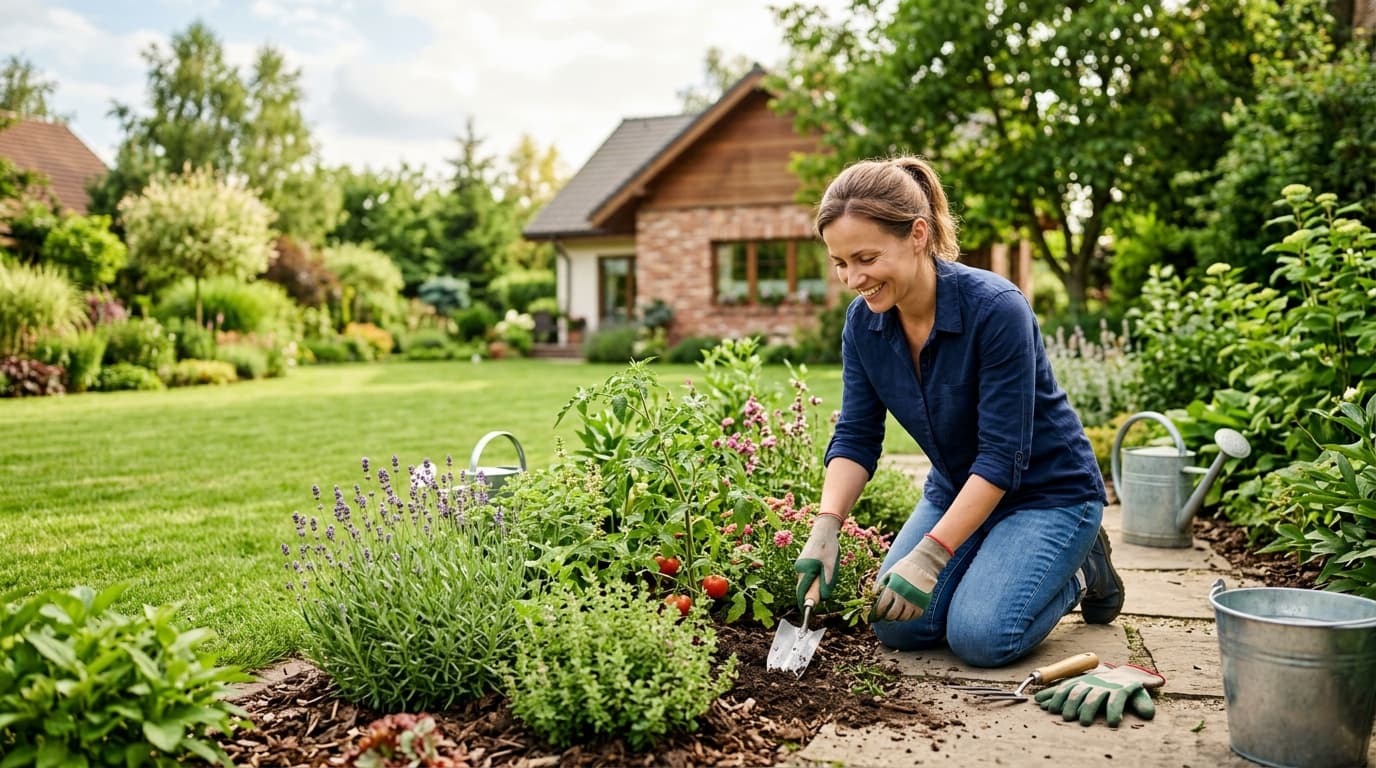
Staring at your patchy lawn and wilting garden while your bank account stares back at you? You're not alone. Most homeowners face a cruel reality: professional landscaping costs $3,000-$15,000 annually, but ignoring yard problems only makes them worse and more expensive. The good news? Many common lawn and garden issues can be tackled yourself for a fraction of professional costs, often under $100-$300 total.
According to lawn care industry statistics, the average household spends $503 annually on basic lawn maintenance, with the landscaping industry generating $184.1 billion in 2026. DIY lawn care accounts for 55% of total U.S. lawn maintenance activities. Learning how to fix lawn and garden problems yourself isn't just about saving money—it's about taking control of your property's curb appeal and your family's outdoor space. This comprehensive guide walks you through the most common yard challenges homeowners face, providing step-by-step solutions that work even on tight budgets.
Understanding Your Yard's Foundation Problems
Before diving into specific fixes, you need to diagnose what's actually wrong. Think of your yard like a patient—treating symptoms without understanding the root cause wastes time and money.
Soil Testing: Your First Investment
Most lawn and garden problems start underground. A basic soil test kit costs $10-$20 at any garden center and reveals three critical factors: pH level, nutrient deficiencies, and soil composition. This small investment prevents you from throwing fertilizer at a pH problem or adding lime to soil that's already alkaline.
Drainage Assessment: The Hidden Culprit
Walk your property after heavy rain. Standing water for more than 24 hours indicates drainage issues that kill grass roots and attract pests. Mark these spots with spray paint—you'll address them specifically.
Sun and Shade Mapping
Spend one weekend mapping your yard's light patterns. Note areas that receive full sun (6+ hours), partial sun (3-6 hours), and shade (under 3 hours). Planting the wrong grass or flowers in the wrong light conditions guarantees failure, regardless of how much you spend on care.
Tackling Common Lawn Problems on a Budget
Your lawn is often your yard's biggest challenge and biggest opportunity. These DIY solutions address the issues 80% of homeowners face.
Patchy and Thin Grass Recovery
Bare spots make your entire property look neglected, but they're surprisingly easy to fix. The key is timing and preparation, not expensive products.
Spring Recovery Method (March-May):
- Rake dead grass and debris from bare spots
- Loosen soil with a hand cultivator ($15 tool)
- Apply a thin layer of compost or topsoil
- Overseed with grass seed appropriate for your region
- Water lightly twice daily for 2-3 weeks
Total cost: $40-$60 for a 500-square-foot area.
Fall Recovery Method (September-October): Fall is actually better for grass establishment. Cooler temperatures and natural rainfall reduce your watering workload. Follow the same steps above, but you'll see better results with less effort.
Weed Control Without Breaking the Bank
Professional weed control services cost $300-$800 annually. Learning how to fix lawn and garden problems yourself includes mastering weed management for under $50 per year.
The Two-Pronged Approach: Dense, healthy grass naturally crowds out weeds. Instead of focusing solely on killing weeds, strengthen your grass. Corn gluten meal ($25 for 40 pounds) prevents new weed seeds from germinating when applied in early spring. For existing weeds, spot-treat with white vinegar (20% acetic acid) on sunny days.
Timing Matters: Apply pre-emergent treatments before soil temperatures reach 55°F consistently. In most regions, this means late February to early April. Mark your calendar—missing this window means fighting weeds all season instead of preventing them.
Brown Spot and Disease Management
Brown patches often indicate fungal issues, overwatering, or pet damage. Before assuming you need fungicide, identify the cause.
Dog Spot Repair: Rinse the area immediately with water to dilute urine concentration. After a week, scratch up dead grass, add fresh soil, and reseed. Cost: under $10 per spot.
Fungal Issues: Improve air circulation by pruning nearby shrubs. Water early morning only, never evening. If fungal problems persist, baking soda solution (1 tablespoon per gallon of water) costs pennies and works for mild cases.
Garden Problem-Solving Strategies
Gardens fail for predictable reasons: poor plant selection, improper spacing, and inconsistent care. Address these systematically.
Plant Selection and Placement
The biggest mistake homeowners make is choosing plants based on appearance rather than suitability. A $30 plant that dies becomes a $30 loss, plus replacement costs.
The Three-Question Rule:
- Does this plant thrive in my specific light conditions?
- Is it hardy in my climate zone?
- Does it match my maintenance capacity?
If you can't answer "yes" to all three, choose something else.
Soil Preparation for Garden Success
Garden soil preparation determines 70% of your success. Most homeowners skip this step and wonder why expensive plants struggle.
The $50 Soil Transformation:
- Remove grass and weeds from planting area
- Add 2-3 inches of compost ($30 for 10 cubic feet)
- Mix with existing soil using a shovel
- Add appropriate amendments based on your soil test
- Level and water lightly
This one-time investment dramatically improves plant survival rates and reduces long-term maintenance.
Watering Systems That Actually Work
Inconsistent watering kills more plants than drought. Create systems that work even when life gets busy.
Drip Irrigation on a Budget: Soaker hoses ($20-$40) provide consistent moisture without waste. Run them through garden beds and connect to a timer ($25). This $45-$65 system reduces water bills and plant losses while requiring minimal maintenance.
Pest and Disease Control Solutions
Chemical treatments are expensive and often unnecessary. Integrated pest management focuses on prevention and targeted solutions.
Identifying Common Garden Pests
Learn to distinguish between beneficial insects and harmful ones. Ladybugs, lacewings, and praying mantises are garden allies. Aphids, spider mites, and caterpillars require intervention.
The Soap Spray Solution: Mix 1 tablespoon dish soap with 1 quart water. Spray affected plants in early morning or evening. This $2 solution handles most soft-bodied pests effectively.
Disease Prevention Strategies
Most plant diseases result from environmental stress or poor cultural practices. Prevention costs less than treatment and works better.
Air Circulation Improvement: Space plants according to mature size recommendations. Overcrowded plants develop fungal issues regardless of other care. Thin overcrowded areas and relocate plants if necessary.
Watering Technique: Water soil, not leaves. Wet foliage overnight invites disease. Use soaker hoses or water early morning so leaves dry quickly.
Seasonal Maintenance Planning
Success in learning how to fix lawn and garden problems yourself requires consistent, seasonal attention rather than crisis management.
Spring Preparation Tasks
March-April Priority List:
- Clean up winter debris
- Apply pre-emergent weed control
- Begin regular watering schedule
- Prune dead branches and shape plants
- Test and adjust soil pH if needed
Spring work prevents summer problems. Spending 2-3 weekends on these tasks saves months of struggle later.
Summer Maintenance Focus
Heat Stress Management: Deep, infrequent watering builds drought tolerance. Water 2-3 times weekly for 30-45 minutes rather than daily light watering. Mulch around plants to retain moisture and regulate soil temperature.
Pest Monitoring: Check plants weekly for early pest signs. Small problems are easy to manage; established infestations require more aggressive treatment.
Fall Recovery and Preparation
Fall is your opportunity to repair summer damage and prepare for next year's success.
September-November Tasks:
- Overseed thin lawn areas
- Plant new perennials and shrubs
- Apply winter fertilizer
- Mulch garden beds
- Clean and store tools properly
Fall planting often succeeds better than spring because plants establish root systems during cool, moist weather.
Budget-Friendly Tool and Supply Management
You don't need expensive equipment to maintain a beautiful yard. Focus on quality basics that handle multiple tasks.
Essential Tool Investment
The $100 Starter Kit:
- Quality spade ($25)
- Hand cultivator ($15)
- Pruning shears ($20)
- Garden hose with spray nozzle ($25)
- Wheelbarrow or garden cart ($40)
These tools handle 90% of yard maintenance tasks. Buy quality versions that last rather than cheap tools you'll replace annually.
Supply Storage and Organization
Organize supplies to prevent waste and duplicate purchases. A simple storage system saves money and time.
Seasonal Supply Planning: Buy fertilizers and amendments in fall when prices drop. Store in sealed containers to prevent moisture damage. Label everything with purchase dates—products lose effectiveness over time.
When to Call Professionals vs. DIY
Knowing your limits prevents costly mistakes and safety hazards. Some problems require professional intervention.
Clear DIY Projects
These tasks are safe and manageable for most homeowners:
- Planting flowers, shrubs, and small trees
- Lawn seeding and basic fertilization
- Minor drainage improvements
- Pest control with organic methods
- Pruning small branches and deadheading
Professional Territory
Call experts for these situations:
- Tree removal or major pruning
- Electrical work for lighting systems
- Major drainage or grading issues
- Large hardscaping projects
- Pesticide applications requiring licenses
The cost of fixing DIY mistakes often exceeds professional service costs. When in doubt, get quotes for comparison. Sometimes you'll discover professional help costs less than expected, especially when you factor in your time and potential mistakes.
For guidance on making these decisions wisely, check out our Smart Homeowner Decision Making Advice: Confident Choices on Major Home Investments for a framework that helps you evaluate when to DIY versus hire professionals.
Advanced Problem-Solving Techniques
Once you master basic maintenance, tackle more complex challenges that dramatically improve your property's appearance and value.
Drainage Solutions That Work
Standing water creates multiple problems: mosquito breeding, root rot, and foundation issues. Simple drainage improvements often solve these problems permanently.
French Drain Installation: This sounds complicated but involves digging a shallow trench, adding gravel, and installing perforated pipe. For a 50-foot run, materials cost $150-$200. The project takes one weekend but solves water problems for decades.
Rain Garden Creation: Instead of fighting wet areas, work with them. Rain gardens use native plants that thrive in periodic flooding. They're attractive, low-maintenance, and solve drainage issues naturally.
Soil Amendment Strategies
Different plants need different soil conditions. Learning to modify soil for specific areas maximizes plant success.
Acidifying Soil for Blueberries: Blueberries require acidic soil (pH 4.5-5.5). Add sulfur or peat moss to lower pH gradually. Test every few months and adjust as needed. This targeted approach succeeds where general fertilizers fail.
Building Clay Soil: Clay soil drains poorly but holds nutrients well. Add coarse sand and organic matter annually. Never add fine sand—it creates concrete-like conditions. This improvement takes 2-3 years but transforms problem areas permanently.
Integrated Landscape Design
Think beyond individual plants to create cohesive, functional outdoor spaces that require less maintenance over time.
Companion Planting Benefits: Group plants with similar water and light needs. This simplifies care and improves plant health. Tomatoes and basil aren't just kitchen companions—they actually help each other grow better.
Succession Planting: Plant the same crops every 2-3 weeks for continuous harvests. This technique works for lettuce, radishes, and beans. You'll have fresh produce all season instead of overwhelming harvests followed by nothing.
Long-Term Success Strategies
Learning how to fix lawn and garden problems yourself is really about developing systems that prevent problems and make maintenance manageable.
Record Keeping That Matters
Track what works and what doesn't. Simple notes prevent repeated mistakes and help you replicate successes.
Essential Records:
- Planting dates and varieties
- Fertilizer and amendment applications
- Weather patterns and their effects
- Pest problems and successful treatments
- Annual costs and time investments
This information becomes invaluable for planning future seasons and troubleshooting new problems.
Building Soil Health Over Time
Healthy soil is your foundation for everything else. Focus on long-term soil building rather than quick fixes.
Annual Soil Investment: Budget $100-$200 annually for compost, amendments, and soil improvements. This consistent investment compounds over time, creating soil that supports healthy plants with minimal intervention.
Plant Selection Evolution
Your plant choices should evolve as you learn what thrives in your specific conditions. Don't stick with struggling plants out of stubbornness.
The Three-Year Rule: If a plant struggles for three growing seasons despite proper care, replace it with something better suited to your conditions. This prevents ongoing frustration and wasted resources.
Measuring Success and Making Adjustments
Success isn't perfection—it's steady improvement and reduced maintenance over time.
Setting Realistic Expectations
Your yard won't transform overnight. Set seasonal goals rather than expecting immediate perfection.
Year One Goals:
- Establish healthy lawn in priority areas
- Create one successful garden bed
- Implement basic pest and weed control
- Develop consistent maintenance routines
Year Two and Beyond:
- Expand successful areas
- Add more challenging plants and projects
- Refine techniques based on experience
- Reduce overall maintenance time through better planning
Cost Tracking and Budget Management
Track your investments to ensure you're actually saving money and getting good value from your efforts.
Annual Budget Breakdown:
- Seeds and plants: 40%
- Soil amendments and fertilizers: 30%
- Tools and equipment: 20%
- Pest control and treatments: 10%
Most homeowners spend $300-$800 annually on DIY yard care versus $2,000-$5,000 for professional services. The savings are substantial, plus you gain valuable skills and deeper connection to your property.
For additional money-saving strategies beyond basic lawn and garden care, explore our DIY Home Improvement Money-Saving Tips for more ways to maintain your property affordably.
Conclusion: Your Path to Yard Success
Learning how to fix lawn and garden problems yourself transforms both your property and your confidence as a homeowner. Start with soil testing and basic maintenance, then gradually tackle more complex challenges as your skills develop.
Remember that every expert was once a beginner. Your first attempts won't be perfect, but they'll be yours. Each season teaches valuable lessons that make the next season easier and more successful.
The key is consistency over perfection. A modest yard that's well-maintained looks better than an ambitious landscape that's neglected. Focus on mastering basics before expanding your efforts.
Your budget-friendly approach to lawn and garden care isn't just about saving money—it's about creating outdoor spaces that reflect your effort and care. Start with one small area this weekend. Test your soil, choose appropriate plants, and begin building the foundation for years of success.
The investment of time and modest financial resources pays dividends in property value, personal satisfaction, and the joy of outdoor spaces that truly work for your family's needs.
Related Articles:
- How to Maintain Overgrown Yard Plants: A Complete Guide for Overwhelmed Homeowners
- 7 Lawn Care Mistakes Real Homeowners Made (So You Don't Have To)
- How to Create Successful Landscaping Projects Over Time: Your Complete Guide to Long-Term Garden Success
- Gardening for Beginners: What Reddit Learned the Hard (and Beautiful) Way
Need Professional Help?
Homeplexi connects you with vetted contractors, helps you compare quotes, and manages your entire home improvement project in one place.
Get Started Free →The Homeplexi editorial team consists of licensed contractors, home inspectors, and consumer protection experts who provide research-backed guidance for homeowners. All content is fact-checked and cited from authoritative industry sources.
Important Safety Disclaimer
Please read this carefully before following any advice:
- Always prioritize safety: Wear appropriate protective equipment (safety glasses, gloves, etc.) when performing any home maintenance or repair work.
- Know your limits: If you're not confident in your ability to safely complete a task, hire a licensed professional. This is especially important for electrical, gas, plumbing, and structural work.
- Verify all information: The guidance provided here is based on community discussions and general knowledge. Always double-check any advice with multiple reliable sources or a licensed professional.
- Follow local codes: Building codes, electrical codes, and plumbing codes vary by location. Ensure any work complies with your local regulations and obtain necessary permits.
- Turn off power/water/gas: Before working on electrical, plumbing, or gas systems, always shut off the relevant utilities at the source.
- For emergencies: If you have a gas leak, electrical fire, major water leak, or other emergency, evacuate immediately and call emergency services (911) and your utility company.
Liability: Homeplexi provides information for educational purposes only. We are not responsible for any injury, property damage, or losses resulting from following any guidance or advice provided through this platform. Use all information at your own risk.
When in doubt, always consult a licensed, insured professional contractor. Homeplexi can help you find qualified professionals in your area.
Found this helpful? Share with others:
Related Articles
12 Critical Contractor Red Flags That Could Cost You Thousands (And How to Spot Them Before It's Too Late)
The warning signs pros know to spot, and how they save thousands by walking away before it's too late.
How to Lower Electric Bills: Proven Strategies That Actually Work When Basic Tips Fail
Electric bills climbing higher than expected despite energy-saving efforts
Foundation Repair Cost: What You Should Actually Pay in Your Region
Foundation repair quotes vary wildly by region and homeowners don't know what's fair pricing vs price gouging